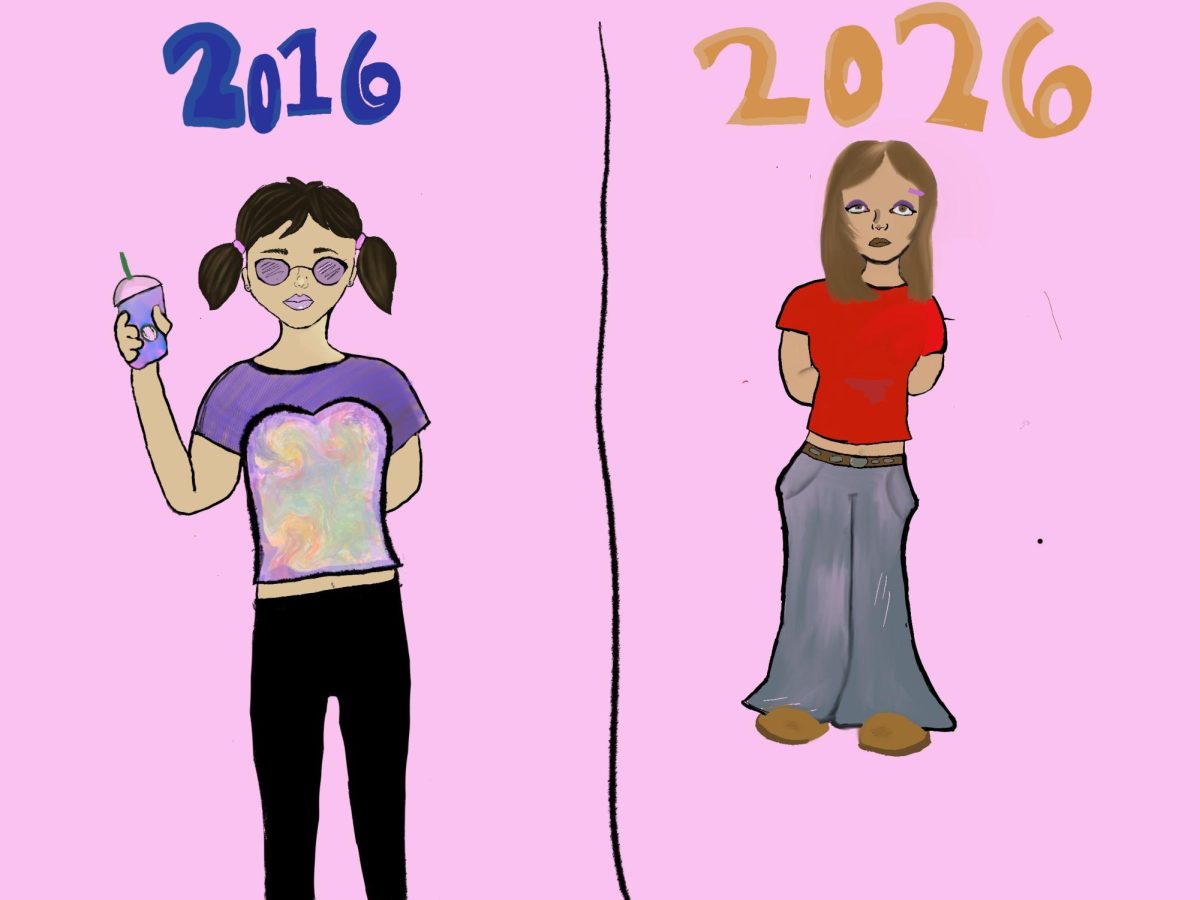
When young people come across a colorful filter on Instagram or see old pictures of ripped skinny jeans, the year 2016 immediately comes to mind. 2016 was more than just a year. It was an entire era filled with cringey pop music and colorful bangles we wouldn’t be caught dead wearing nowadays. But everyone secretly wants to bring it back.
The iconic year of 2016
2016 represents the “good old days.” Everybody has a glorified version of this era in their minds because it was before everyone was scarred from the Covid-19 pandemic. Political polarization wasn’t as at large, and social media hadn’t started pushing basic and uncreative trends.
Vine compilations, which are short clips of hysterical footage sewn into a single video, were raging with popularity. People complain we have grown “soft” when it comes to jokes because everyone has the fear of being cancelled. Comedy on Vine was uncensored and hilarious, making people miss the days of spontaneous and unfiltered humor.
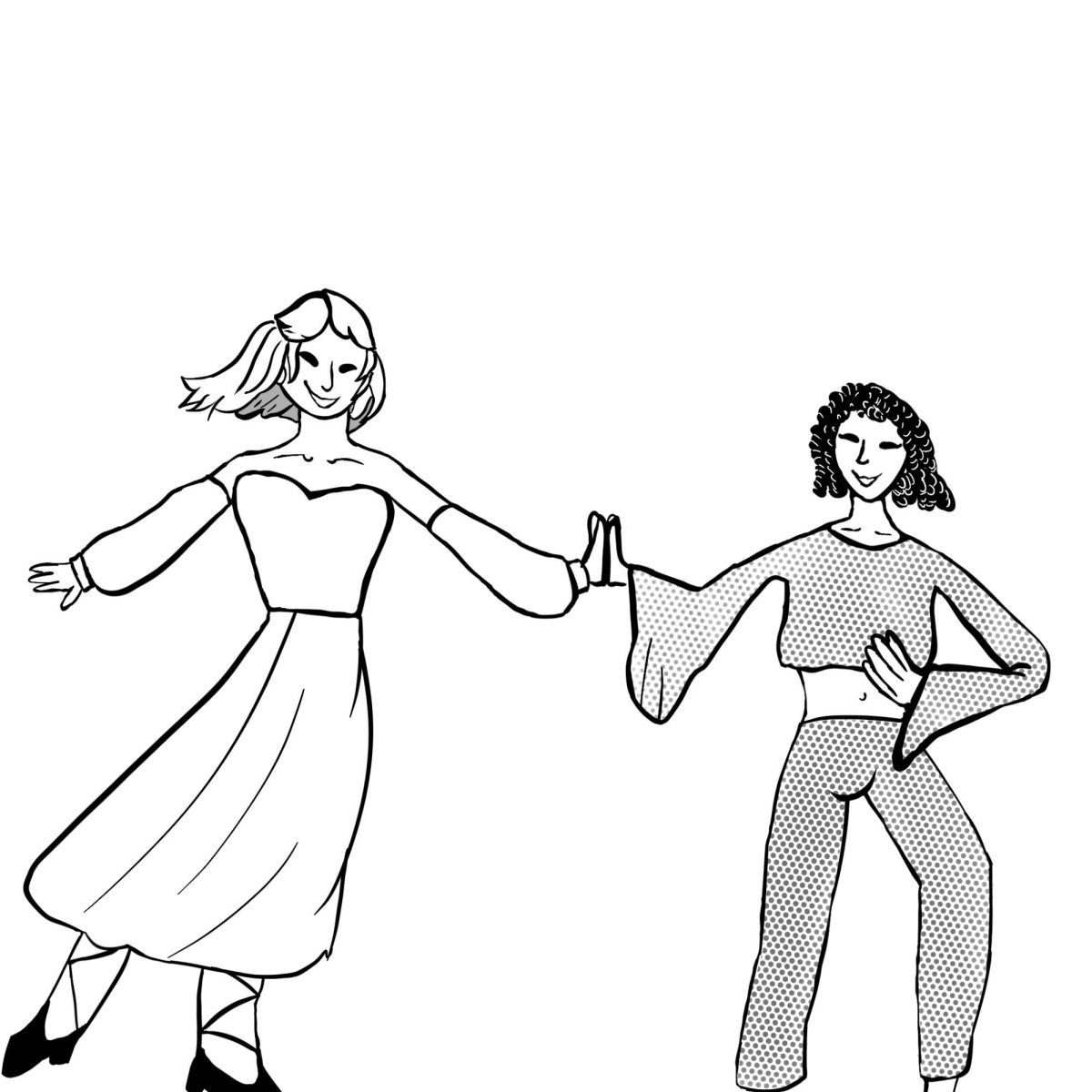
Chokers, oversized graphic tees, and space buns were all must-haves during the time. People dressed in bright colors and expressed themselves creatively. The internet was surging with the “Tumblr girl”, which was an indie-grunge aesthetic featuring winged eyeliner and pastel-colored hair.
Artists like Justin Bieber and Rihanna were constantly spotlighted, with songs like “Sorry” and “Work” chronically living in the back of everyone’s minds. Hearing music that once had us in a chokehold leaves a well of nostalgia in our chest.
Why 2016 is back
Gen-Z has faced crisis after crisis in the last few years, whether it’s battling Covid or climate change. Every day, a new catastrophe occurs, sending people into a spiral. People miss the feeling of being carefree and optimistic. 2016 is remembered as an era of unmatched authenticity… something a lot of creators online lack today.
2026 will be the year people will be unapologetically themselves once more, even if it means ditching the “clean-girl” aesthetic and embracing their true bright colors.