
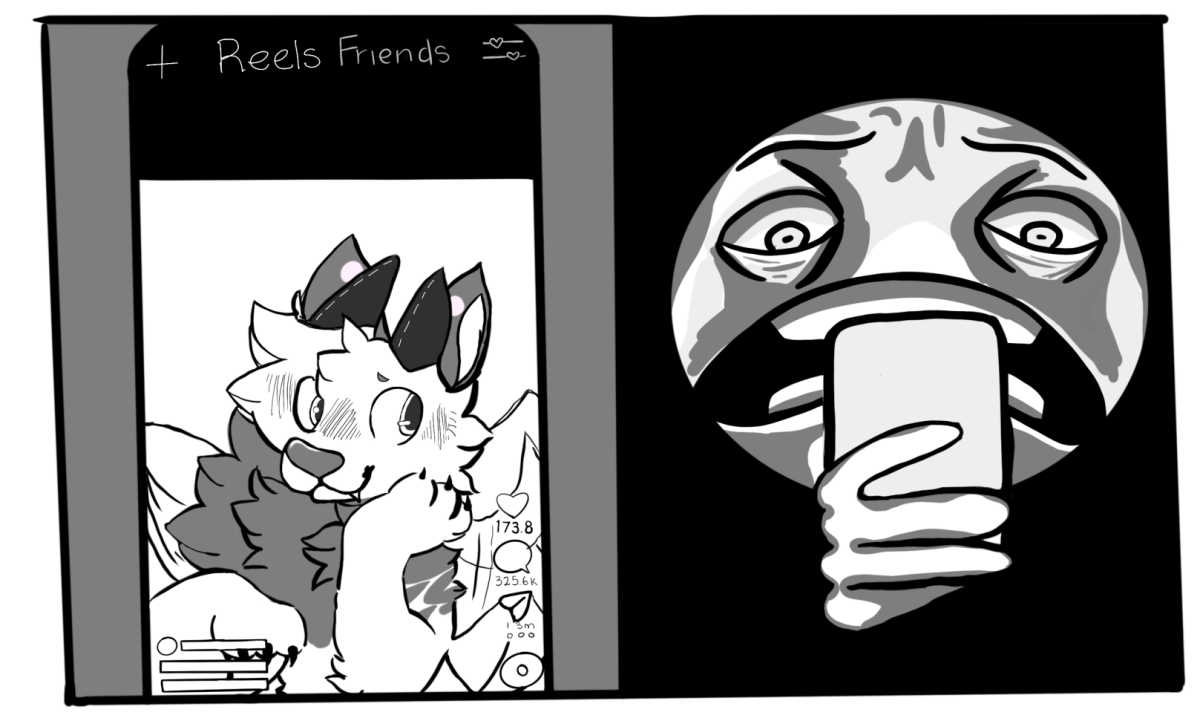
Remember when fidget spinners were popular? Now thinking about it makes us shrivel.
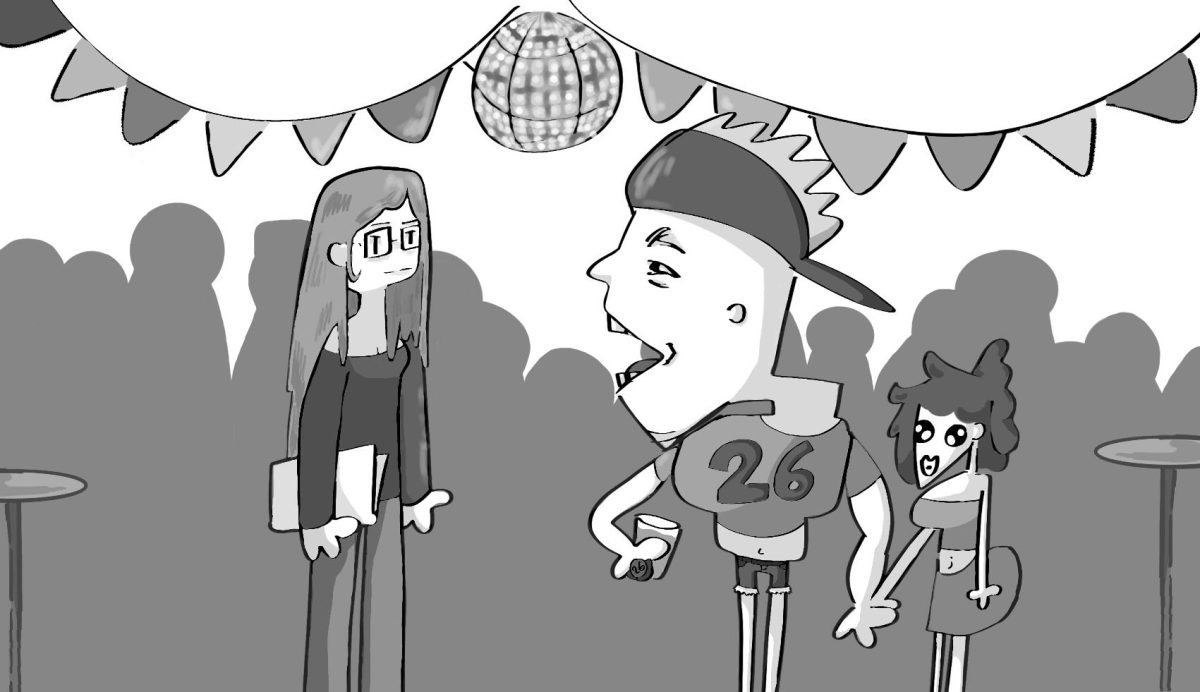
“Cringe culture” refers to the practice of mocking behavior that is deemed embarrassing or awkward. In reality, it could be someone’s niche interest or hobby.
This raises the question: Is cringe culture going too far?
Trends come and go, and can significantly influence us. However, they may quickly become “boring” or “un-trending.”
Some trends have a lasting impact on our society, while others provide temporary amusement and fade away quickly.
One example is “performative authenticity,” often shown by people who exaggerate for the camera. This is a common long-lasting theme on social media. Where individuals pretend to be someone they’re not, often to gain likes, views, and commentary.
This behavior, akin to being a “poser,” can lead people to sacrifice their true selves for online attention, which can be damaging to one’s mental health.
The rise of social media has brought shame to our interests and the things we can enjoy.
It can be seen as cyberbullying as well as a shaming tactic. This can be very harmful to an individual’s self-esteem.
“It becomes repetitive,” said Yeva Golmilko, junior. “… the joke expires.”
However, social media can sometimes twist what qualifies as cringe into something negative, leading kids to suppress their emotions or hobbies instead of fully expressing themselves.
“All of the Gen Alpha jokes and a lot of slang [makes me cringe],” Golmilko said. “Like ‘6-7.’ Every time I hear my little brother say it, I wince a little bit.”
I believe that we should take others’ opinions with a grain of salt. In reality, we control what we consider cringe and form our own opinions about the matter.
We should be able to express ourselves to the fullest extent, no matter what others think of us, or what social media deems to be true.
Oftentimes, it can create unnecessary standards for many while building insecurities.
Social media in itself is not the problem but its users.