
The bill is $500, and your cart is full of clothing you’ve seen on five other people walking by. By next week, the tank you picked up at Brandy Melville will have a gaping hole where the seam used to be, and the dreams of reinventing your closet for the new year will be flushed away, along with your paycheck.
With fast fashion and repetitive styles dominating the fashion industry, the prospect of individualism in modern clothing seems impossible.
But taking a glance beyond the matrix of online shopping and your frequented malls, a far more sustainable, individual form of shopping stands.
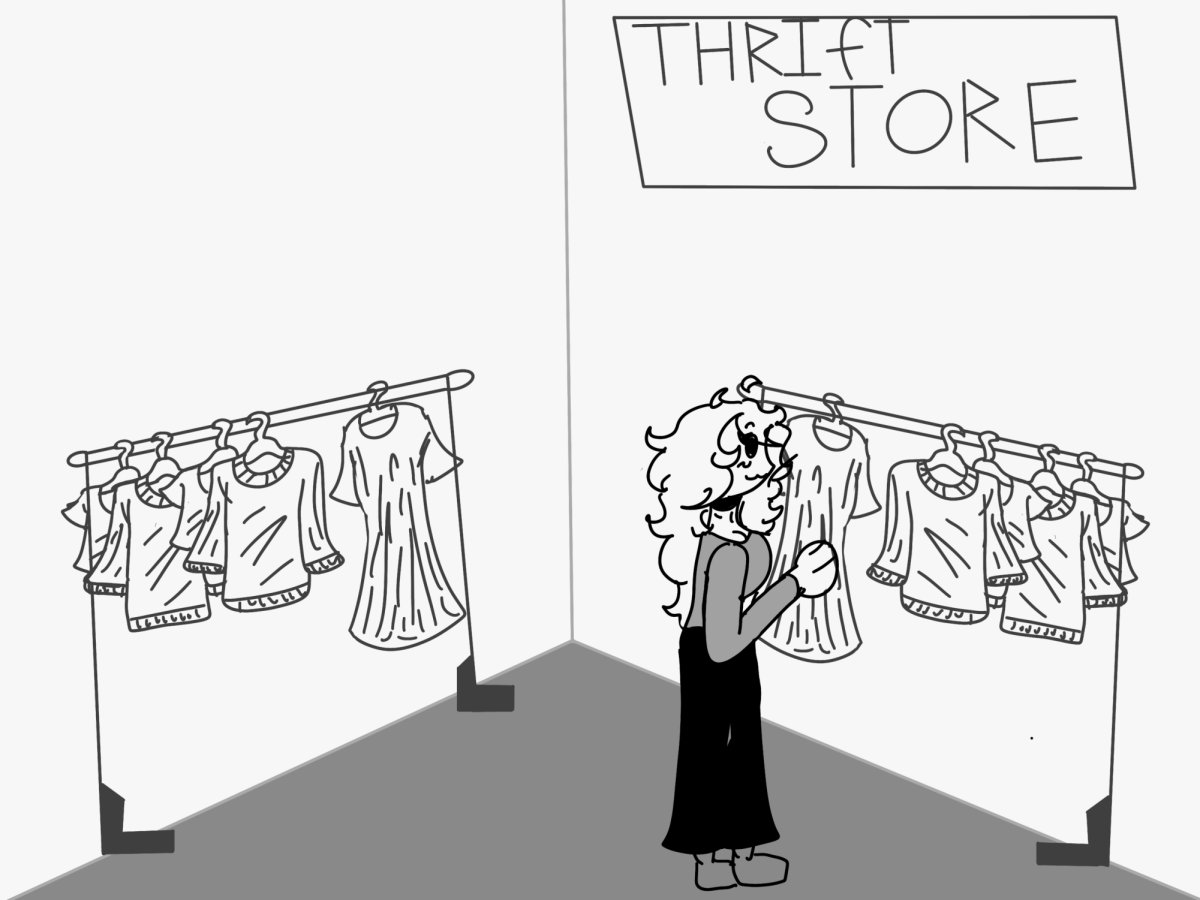
Thrift shopping, the practice of purchasing second-hand clothing, is a valuable way to expand an individual’s wardrobe in a cost-efficient way. The rise of thrift culture has been prominent over the past years, as styles of the millennium have ascended to the ranks of revival.
Due to the stigma surrounding second-hand clothing, purchasing thrifted items is less common among them. People appear to lack the same affinity for thrifting that they have for that of fashion chains.
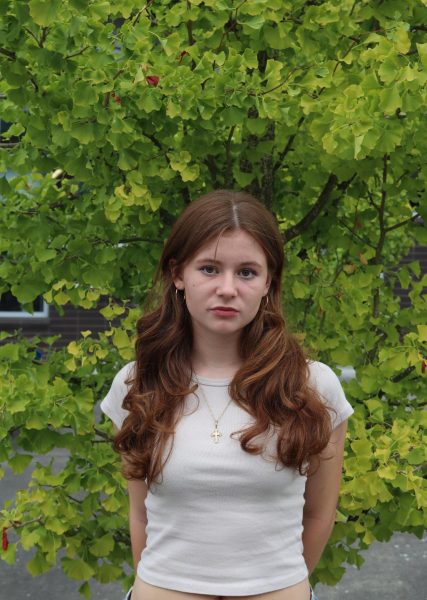
Junior Livi Herman, however, finds herself experiencing the opposite. Herman adopted thrifting through the inspiration of her sister, who had luck through her experiences buying second-hand, expanding her style at an affordable price.
From her own wear of thrifted apparel, Herman recognizes the impact it has on her wardrobe. “It’s higher quality for a way better price in a more sustainable way than if you were just going to buy it new,” said Herman.
“A while ago, it was seen as something embarrassing to get your clothes second-hand, but now we can take pride in it, and to take pride in something that’s also helping the world more is… really important.”
Similarly, for junior Della McFarlane, there has been no end to her practice of thrifting. Throughout her childhood, McFarlane’s mother ran a reselling business, merchandising vintage and thrifted pieces. “It’s always been something my family has done,” said McFarlane.
She developed an interest in individualism through the clothes of the past, expanding her search for clothing beyond the mall to vintage and consignment stores.
For McFarlane, thrifting goes far beyond the purchase; it’s a development of her self-expression. “I think it helps a lot because when you look at the thrift, everything is not the same,” said McFarlane. “You’re finding unique pieces, and it really helps you decide what you like.”
Styles and signature pieces come and go, but as time wears on, so do your clothes. But through thrifting, recognizing value in high-quality, original items, regardless of their age or who loved them before you, reminds us that the ‘out with the old – in with the new’ mentality when it comes to your clothes doesn’t need to be apparent.
Whether it’s the Goodwill bins or the consignment shop next to your local grocery store, the next time you’re looking to buy clothing, thrifting can be a new development in the way you shop, which the planet and your wardrobe could thank you for.